Retention Tactics on Facebook: A Social Media Marketing Agency Guide
Retention is not a side quest on Facebook, it is the main engine behind sustainable revenue for most brands that advertise at scale. Agencies that rely only on prospecting watch costs climb and margins thin. Agencies that design for second, third, and tenth orders compound results month over month, even while auctions get tougher. This guide breaks down how a social media marketing agency can build, measure, and optimize retention programs inside the Meta ecosystem with the same rigor applied to acquisition.
Why retention matters more than ever
Every client story sits on a simple ratio. How much does it cost to get a customer and how much does that customer spend over time. If you do not raise lifetime value, paid media turns into a treadmill. Facebook ads can deliver strong first orders, but the platform shows its real power when it keeps customers active through content, community, and offers that match their moment in the lifecycle.
Most brands we manage see 25 to 60 percent of monthly revenue coming from existing customers. Even modest lifts move the P&L. A five point increase in 90 day repeat purchase rate can improve overall MER by one to two points because it returns margin to the business without a proportional rise in media spend. The trick is to treat retention as a design problem, not an afterthought.
Where retention actually lives on Facebook
Retention on Facebook does not mean spamming past buyers with the same conversion ads. It lives across four surfaces that can work together:
- Paid media audiences built from owned data, site behavior, and social engagement
- Organic content that creates habits, especially Groups, Reels, and live formats
- Messaging surfaces like Messenger and WhatsApp for service, reminders, and guided selling
- Commerce primitives like Shops, Catalog Sales campaigns, and product sets that personalize what people see
An effective facebook ads agency or social media ads agency treats these as one system with shared goals, not siloed teams. The ad account is only one part of the retention machine.
Build the warm pools that power retention
You cannot retarget what you cannot see. Map and maintain the core warm audiences, each with a clear purpose. A good ads management agency will usually structure these as separate Custom Audiences with their own windows and suppression https://share.google/jcAFdjz7T3dLAJuJV rules.
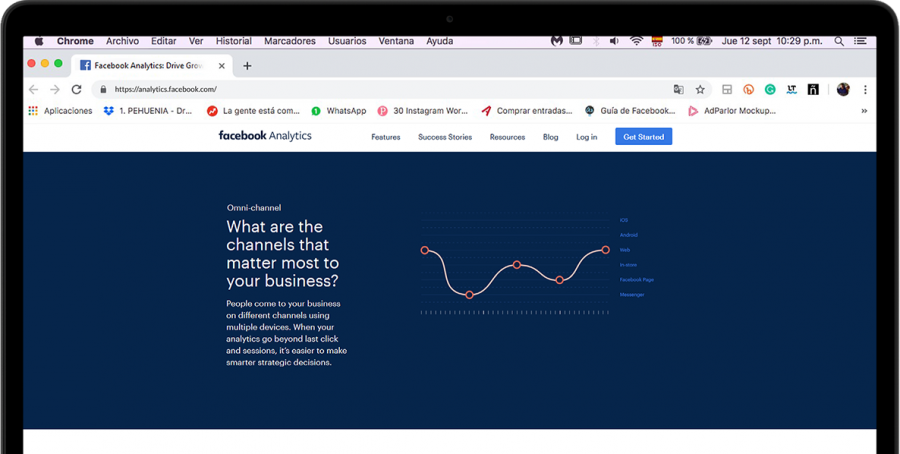
Website and app behavior. Use Meta Pixel plus Conversions API for redundancy and better match rates. The classic events still matter: ViewContent, AddToCart, InitiateCheckout, Purchase, Subscribe. Set windows that reflect your sales cycle. A consumable CPG with 30 day replenishment wants 7, 14, and 30 day pools. A high AOV furniture brand may use 30, 90, and 180 day pools because decisions take longer.
Customer files. Sync hashed customer lists directly or via your CRM or CDP. Segment by lifecycle and value if possible. The strongest retention work uses separate audiences for recent first order buyers, multi order customers, VIPs by spend, churn risk cohorts like 60 days since last order, and any service sensitive flags you have. Keep lists fresh at least weekly. Daily is better for scale.
Social engagers. People who watched 50 to 95 percent of your videos, saved posts, messaged the page, visited your Instagram profile, or clicked a shop tab are warm. Engagement audiences often add 10 to 25 percent incremental reach on top of pixel based retargeting and they remain valuable when cookie windows shrink.
Shops and catalog data. If you maintain a product catalog, product set retargeting gives a performance floor. Dynamic Product Ads that show viewed or added items back to the user still produce some of the most reliable returning orders, especially when paired with replenishment logic.
A quick operational note. Always set clear exclusions to avoid bidding against yourself and to avoid customer fatigue. If someone purchased yesterday, suppress them from high frequency sales messages for at least a week and instead route them into onboarding or community invites.
Creative that earns the second order
Creative for retention should not look like prospecting creative with a coupon badge. It should carry the weight of customer experience. In practice, four content lanes do the heavy lifting.
Onboarding and outcomes. Show the product in use, not just in studio. Shortcuts, recipes, first week tips, and how to win with the product. For a skincare client, a 20 second Reel demonstrating the right amount of serum delivered a 17 percent higher repeat order rate in the first 30 days, measured by matched users versus a holdout.
Social proof with specificity. Reviews are not equal. Use narrow proof that speaks to the buyer’s category anxieties. “Did not pill under makeup after 6 hours” will outsell “Great moisturizer” every time. Pull direct quotes, not generalities.
Community and identity. Invite buyers into a group, challenge, or calendar. A nutrition brand that shifted a chunk of retention budget to promote its private Facebook Group saw time to second order drop from 46 to 33 days. The group produced recipes, accountability threads, and a weekly live Q&A that turned into a habit.
Product line depth and bundles. Returning customers want to explore. Show adjacent products, refill sizes, and routines. If your catalog allows, build sequences that cross sell in sensible arcs, not random shuffles.
Vary the format. Reels get reach and quick education. Static carousels help showcase step by step routines or bundle components. Short UGC, well captioned, tends to outperform brand voice copy for post purchase explainers. Keep the vibe helpful rather than promotional unless you are pushing a limited window offer.
Lifecycle sequencing that respects timing
Retention suffers when everyone sees the same message. Sequencing solves this. Map ads to predictable moments and switch the creative as people move.
Day 0 to 7, post purchase setup. Prioritize onboarding content, shipping updates, and a clear contact path for support. If you use click to Messenger campaigns, this is the window to prompt questions and reduce cancellations.
Day 14 to 45, outcomes and shareability. Most categories have a natural proof window. For coffee, it is the first few brews. For wearables, it is the first week of metrics. Serve UGC that mirrors those early wins and test a light refer a friend frame. If you run a loyalty program, seed the mechanics here without leaning on discounts.
Day 30 to 90, replenishment or next item. The creative pitch changes based on your replenishment curve. Use product specific timers in copy. “Most users run low at week 4, refills ship free for 48 hours” outperforms generic reminders. Dynamic Product Ads tied to a Reorder product set can carry much of this work.
Day 90 and beyond, reactivation. This pool is volatile. Newness helps here, as do bundles that create a reason to return. Avoid hammering a cold group with high frequency if deliverability drops. Stretch windows, rotate offers, and mix in content that educates on what changed since they last bought.
Make Catalog Sales work for more than abandoners
Many teams leave Catalog Sales in a single retargeting ad set that targets “Viewed or added, no purchase” with a 14 day window. That is a start, not a strategy. A performance ads agency can extract more value with a few moves.
Define product sets for replenishable SKUs versus durable goods. Serve reorder messaging only to the correct set. Use badges like “Refill” to cut through.
Create bundles in your catalog. If your platform allows virtual bundles, let DPAs show bundles to repeat buyers while continuing to show single items to non buyers. Cross sell rates often jump.
Use exclusions aggressively. Exclude people who viewed return, warranty, or cancellation pages from hard sell messages for a cooling period. Your service team will thank you.
Test one piece of ad copy variation at a time. Keep headlines simple. Most of the personalization comes from the product feed itself.
Price, offers, and incentives that do not burn margin
Discounts close deals, but lazy discounting burns trust and lifetime value. Tactics that keep both customers and margin:
- Loyalty points that accrue faster on repeat, with a clear path to a meaningful reward in one to two orders
- Threshold offers that bundle margin protectors, like free shipping on a two pack or gift with purchase for orders over a set amount
- Gated perks for verified VIPs such as early access or limited colors that never go on public sale
- Post purchase upsell at checkout that raises average order value without affecting the perceived price of the core item
- Referral credits paid as store credit rather than cash, measured on actual converted referrals, not clicks
Use offers as seasoning, not the main course. The facebook advertising agency that wins long term uses specificity and timing, not constant 20 percent banners.
Groups, Messenger, and the power of conversation
If your category benefits from community or service, Facebook Groups and messaging are not optional. They are a retention multiplier.

Groups. They work when they are moderated and have a weekly cadence. Post prompts that help members show each other how they use the product. For a home fitness brand, a Monday workout thread, Wednesday tips, and a Friday progress share created a predictable rhythm. Run small paid campaigns to warm customers, inviting them to join the group in the first 14 days. This is cheap inventory that deepens connection.
Messenger and WhatsApp. Click to Messenger ads can feel like acquisition, but for retention they shine as guided setup and troubleshooting. Keep handoffs to live agents fast, under two minutes. Use structured messages for common flows like reorder links, warranty FAQs, and appointment reminders if you are a service business. Track resolved conversations as offline conversions where appropriate to see the knock on effect in orders.
Measurement that leaders trust
If you want budget allocated to retention, you need to prove it moves revenue, not just engagement. That means using more than last click or on platform attribution.
Attribution windows and settings. Meta’s default 7 day click, 1 day view setting is generally appropriate for retention. Shortening to 1 day click can protect against over crediting brand familiar traffic, but it may undercount slower decision categories. Report both and understand the gap.
Cohort reporting. Pull order cohorts by first purchase month, then examine 30, 60, and 90 day repeat rates for those cohorts as your retention program evolves. If you add onboarding ads in March, watch April and May cohorts for shift. Avoid mixing seasonality with results, control for price changes and promos.
Holdout tests. Use Meta Experiments to run split tests that hold back a portion of your warm pool from seeing retention campaigns. Do not run these forever, a 2 to 4 week window is usually enough to detect signal with returning order volume. For brands at small scale, run geo holdouts where you pause retention in a few low risk states and compare performance.
North star metrics. Tie the program to numbers the CFO cares about. Repeat purchase rate in 60 days, cost per returning order, second order AOV relative to first, time to second order, active subscriber ratio for subscription businesses, and LTV to CAC at 6 months. If you must pick one leading indicator, time to second order is the most responsive to creative and sequencing changes.
Offline and CRM data. Feed offline conversions like phone orders or in store redemptions back into Meta when relevant. Use Conversions API for server side events and deduplicate with pixel events. Better matching improves warm audience size and makes value reporting more believable.
Signal quality and data hygiene
Retention runs on fresh and accurate data. Problems compound when this slips.
Maintain event quality. Verify domains, set Aggregated Event Measurement priorities if needed, and audit deduplication metrics. A sudden drop in match quality from 8 to 4 will shrink your warm pools and make results look worse even if the customer base has not changed.
Refresh customer lists often. Agencies that automate daily uploads via integrations see steadier performance than those pushing a static CSV once a month. Segment lists with clear definitions to avoid overlap and mis crediting.
Mind consent and privacy. Only upload data you have a right to use, with clear consent for advertising. Keep suppression lists for users who opt out of personalization, and respect platform policies. A compliant operation avoids abrupt account disruptions that reset months of learning.
Frequency, fatigue, and creative rhythm
Warm audiences are smaller than prospecting pools. You will hit frequency caps quickly and create fatigue if you are not careful. Frequency between 2 and 6 per week can work, but the right number depends on category and creative style. Monitor negative feedback, cost per 1,000 people reached, and click through rates. When CTR dips by a third and negative feedback rises, refresh.
We keep a simple creative rhythm. Refresh at least one ad per retention ad set every 10 to 14 days. Rotate between content lanes: onboarding, outcomes, social proof, cross sell. Keep a bench of evergreen creatives, then drop in timely ones around product launches and seasonal use cases. For example, a hydration brand runs heat related content in summer and indoor training content in winter. The catalog retargeting ads can stay steady longer, but copy still benefits from periodic updates.
Edge cases that change the plan
Not all products behave like DTC staples.
Subscriptions. Do not use hard discounts to save churn if service is the cause. Use Messenger or email to diagnose first, then present tailored offers. Paid retention ads to subscribers should focus on usage and new features, not price.
Marketplaces. If you sell through third parties, direct reorders are harder to attribute. Use soft benefits in your direct channel like extended warranties and faster support, then let retention ads educate on those advantages without directly attacking a channel partner.
Seasonal products. Concentrate retention in the narrow windows when people use the item. A ski brand should build warm audiences in fall and run heavy retention during the season, then shift to off season maintenance content. For long off seasons, frequency needs to be lower or value will erode.
High consideration durable goods. Retention looks like accessories, care, and referrals. You may not see a second big purchase quickly, but you can raise lifetime value with attach rates and ambassador programs promoted via Groups and content.
B2B and lead generation retention on Facebook
A digital marketing agency working in B2B will not track repeat “orders” the same way. You still have retention goals: keep leads engaged until sales qualifies them, keep customers renewing, and upsell modules or seats.
Map CRM stages to Custom Audiences. Create lead status audiences like MQL, SQL, Closed Won, and Renewal Due. Sync daily via Conversions API or an approved integration, then suppress customers from net new lead ads to avoid waste.
Serve stage appropriate content. Product tours, case studies tied to the lead’s industry, ROI one pagers for procurement, and integration guides for admins. Short video explainers can outperform long white papers for nurturing within Facebook and Instagram.
Track offline conversions. Feed pipeline stage changes and closed revenue back into Meta to improve optimization. Optimize lead ads for qualified leads rather than raw leads once you have enough volume.
Use retargeting to drive attendance. Webinars, office hours, and user groups can function like B2C communities. Promote them to existing customers with light spend and measure their effect on renewal rates.
The small, vital checklist your agency should run each month
- Audit audience health. Size, recency, and overlap for all warm pools, with suppression rules confirmed
- Review creative fatigue signals and refresh cadence, rotating content lanes deliberately
- Reconcile attribution. Compare 7 day click, 1 day view Meta results against cohort based returning order data
- Inspect CAPI and pixel diagnostics for match quality and deduplication issues, then fix at the source
- Run one retention experiment at a time, with a clear holdout and a two to four week window
Piloting retention with a 60 day test plan
If a client has never invested in structured retention, earn buy in with a crisp test that is hard to ignore.
Set your target. Pick one north star, like reducing time to second order by 20 percent, or lifting 60 day repeat rate by four points. Define your warm audience windows based on the product’s natural cadence.
Stand up the building blocks. Launch one Catalog Sales campaign for viewed or added users, one post purchase sequence with two or three ad sets tied to days since purchase, and a small budget community invite campaign.
Control the offer. Use an evergreen, lightweight incentive if you need one, but avoid a sitewide sale that will cloud results. Keep pricing steady during the test.
Run a holdout. Exclude 10 to 20 percent of eligible warm users from the retention campaigns, or hold back a region. Keep service levels and email cadence equal across both groups.
Judge with cohorts. At the end of 60 days, compare second order rates and time to second order for the exposed group versus holdout. Report Meta attribution side by side with cohort data. Most categories will show a clear delta within this window if the creative and sequencing fit the buyer.
Agency operations that keep retention work on track
Retention programs fail when they are set and forgotten, or when teams cannot see results quickly. A strong facebook marketing agency keeps discipline tight.
Set a creative SLA. Commit to refreshing a minimum number of variants each month per lifecycle stage. Keep a production calendar that maps to seasons and launches.
Share a single lifecycle map. Align email, SMS, ads, and community managers on what the customer should see in week 1, week 4, and week 8. Redundancy is fine, confusion is not.
Protect your budgets. Ring fence a portion of spend for warm audiences, typically 15 to 35 percent depending on category and scale. Prospecting will try to eat it when CPAs spike. Hold the line if your cohort metrics are healthy.
Codify data access early. Get explicit permission to use customer data for advertising, document retention periods, and set up automatic syncs. Nothing derails a facebook ad services retainer faster than a compliance scare.
Report with honesty. If your holdouts show no lift, say so, then adjust. Retention is not a hack, it is the steady application of common sense to sequencing, service, and storytelling.
Final thought, built on practice
The social media agency that treats Facebook as a broadcast network will always chase the next cheap impression. The one that treats it as an owned relationship channel, supported by smart paid distribution, will stack durable revenue month after month. That is the work an online ads agency or fb advertising agency should be proud to do. It is slower to set up than spinning another acquisition ad set, but it pays back long after the campaign ends.
The craft is simple to describe, harder to do: find the moments that matter in the customer’s life with your product, make it effortless for them to get value at each one, and use Facebook’s surfaces to show up exactly there. When your retention system clicks, media feels less like spend and more like a service. That is when lifetime value rises, CAC softens, and your clients stop asking for miracles and start asking for more of the same.